Bees and butterflies, busily flying among blooming flowers, gather nectar while transferring pollen that enables pollination.
Today, however, many orchards rely on artificial pollination, in which people manually transfer pollen. This is largely due to the sharp decline in pollinator1 populations—such as bees and butterflies— caused by urbanization, deforestation, pesticide use, and climate change. The decrease in pollinators poses a serious threat to humanity’s sustainable future.
1. Pollinators: organisms such as bees, butterflies, birds, and insects that carry pollen from the stamen to the pistil of flowers.
What Happens When Pollinators Decline?

Food Security
About 75% of global crops depend on pollinators for fruiting. A decline leads to reduced yields, rising prices of fruits and vegetables, and worsening hunger.

Economic Impact
Lower productivity of pollinator-dependent crops causes downturns in agriculture, beekeeping, food processing, and distribution.
Ecological Damage
More than half of seed plants lose over 80% of their reproductive capacity, disrupting food chains and placing more than 2 million species of plants and animals worldwide at risk of extinction.
Health Problems
With reduced access to essential nutrients such as vitamins A, C, and E found in fruits and vegetables, people suffer weakened immunity, higher rates of infectious and chronic diseases, malnutrition, and more than 500,000 premature deaths each year.
The decline of pollinators is not simply an environmental issue —it can trigger food crises, economic disruption, and ecological collapse. Safeguarding them is crucial to humanity’s survival and prosperity.
WeLoveU Creates Pollinator Havens
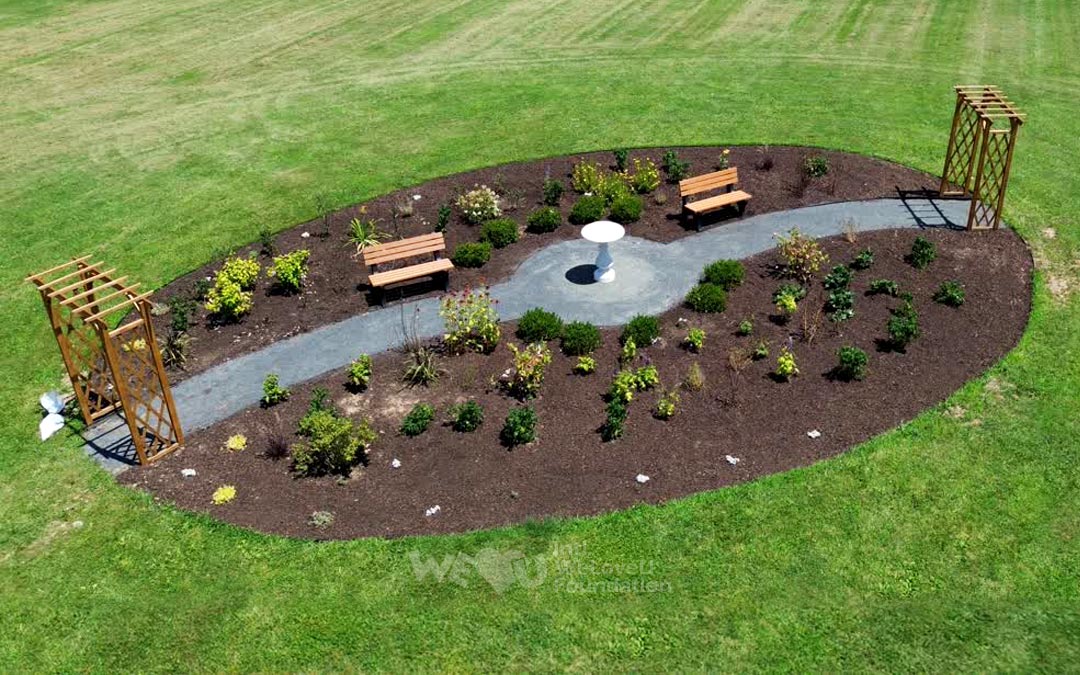
To promote a sustainable global environment, the International WeLoveU Foundation (hereinafter referred to as WeLoveU) carried out the Mom’s Garden Project at Emma and Nicholas DiPietro Park in East Hartford, Connecticut, United States. As part of the initiative, two “Pollinator Gardens” were established to provide sanctuaries for bees, butterflies, insects, and birds. Members planted a variety of flowering trees, shrubs, and larger trees to allow diverse species to take root and thrive in the urban setting. Benches and sculptures were also placed, offering residents a comfortable space to relax.
Start

Garden Development
April 27, 2025–July 19, 2025
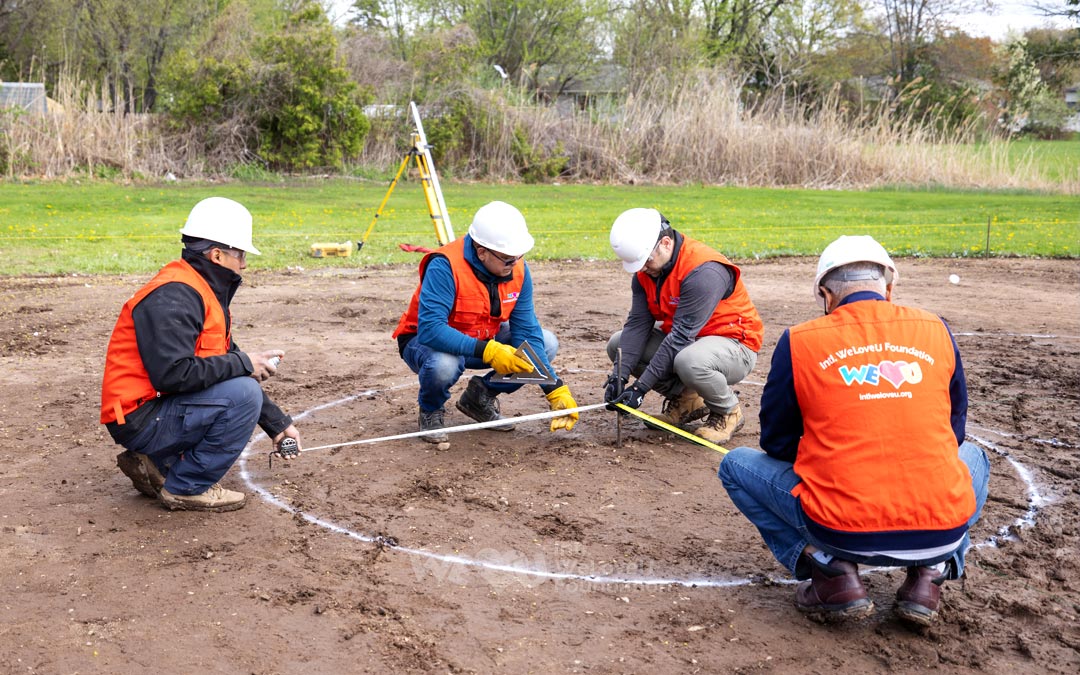
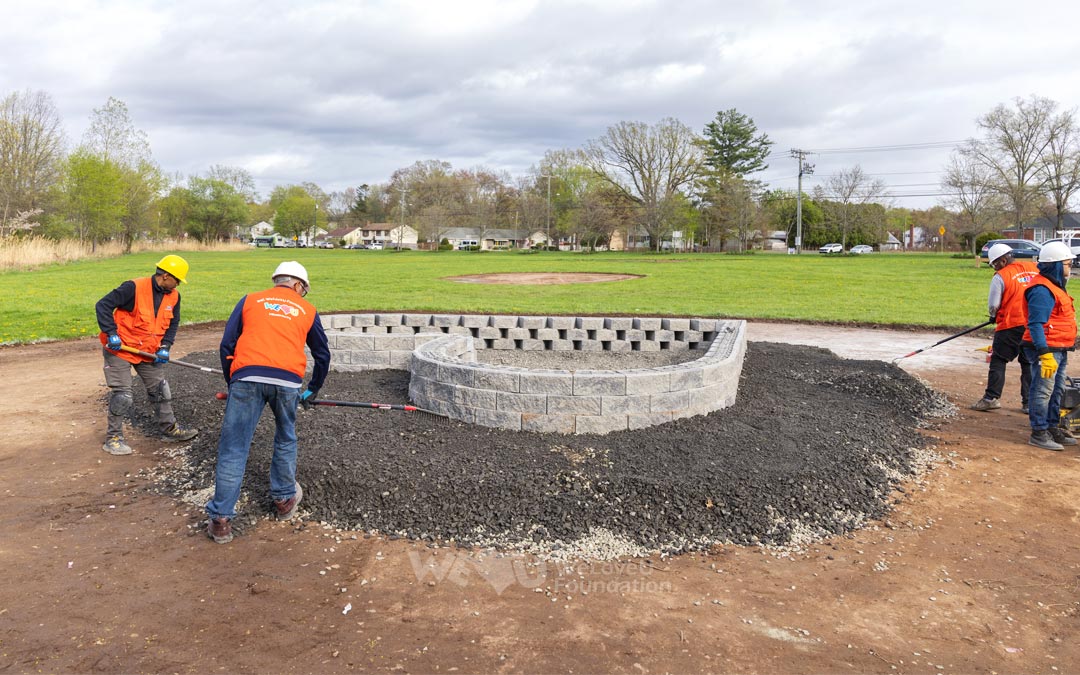
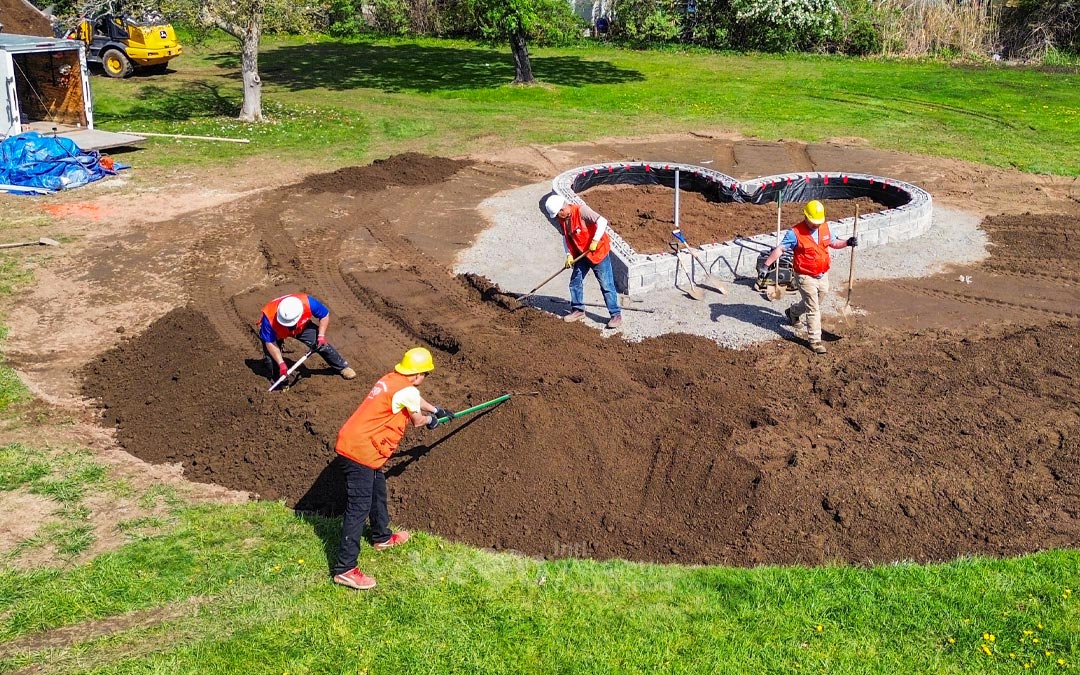
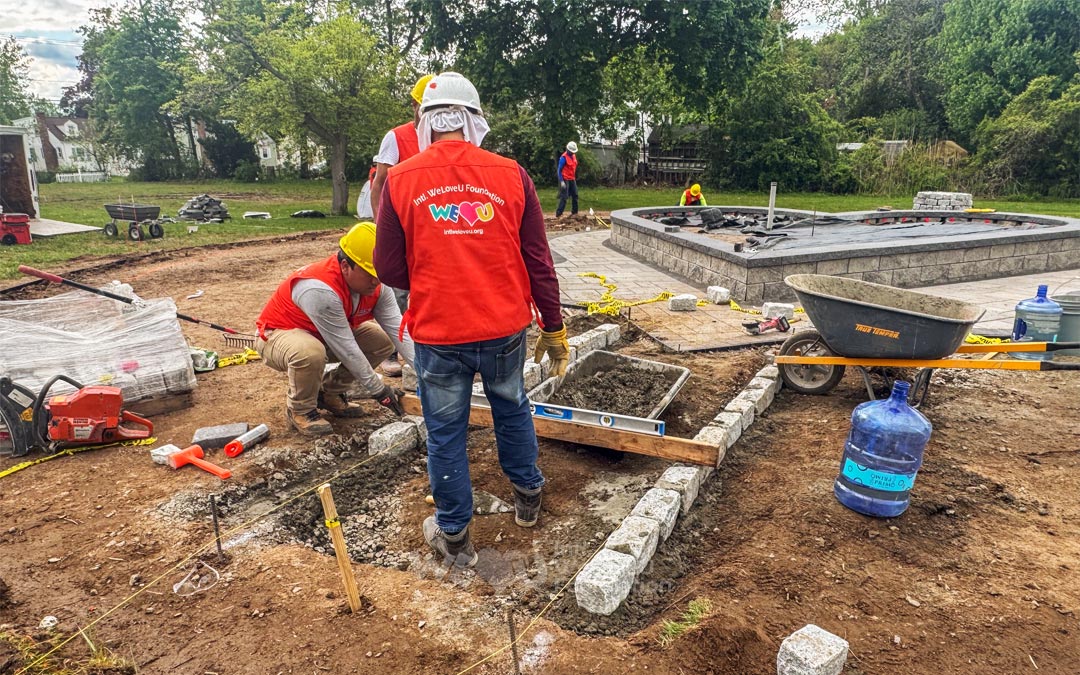
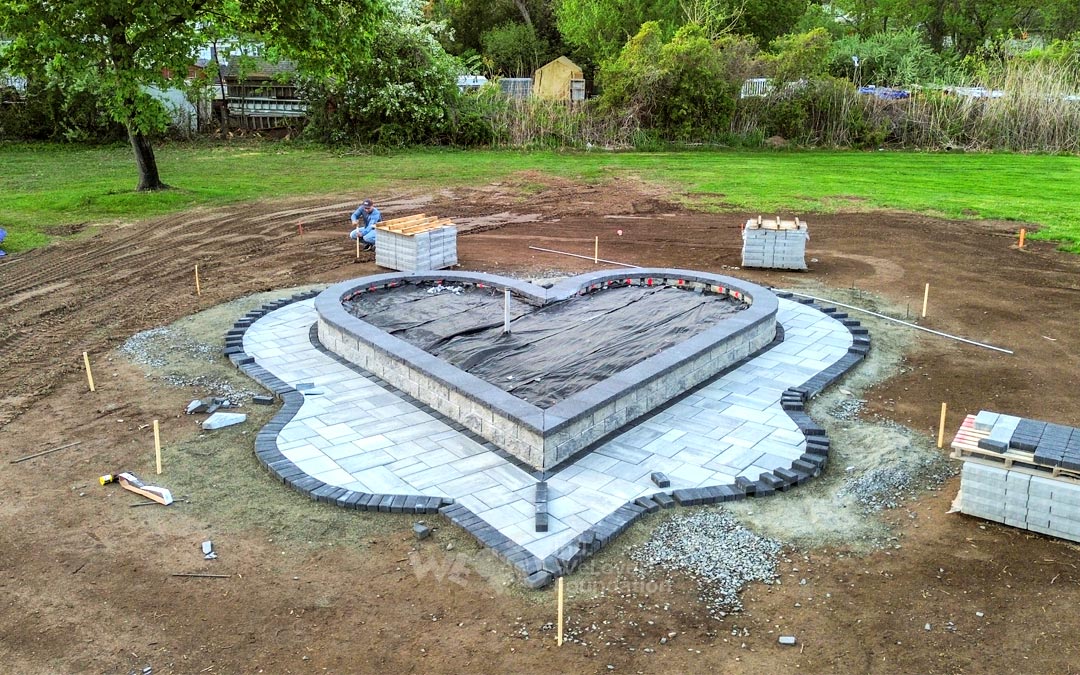
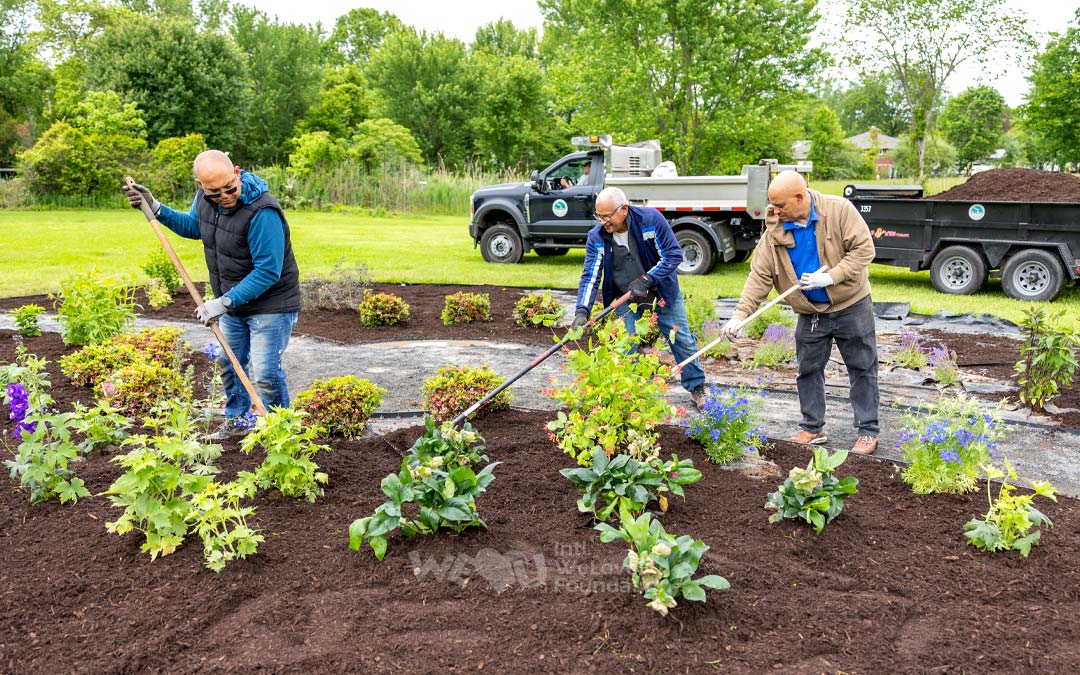
On May 25, John Bernick, PE, Rail Engineering Section Manager at HDR, who joined in planting trees and flowers, remarked: “Many pollinator populations are in decline due to habitat loss, pesticide use, pollution and climate change. If you agree that pollinators are important to our environment, get involved with projects like this. The WeLoveU Foundation has excellent opportunities for you as an individual or company to get involved and make our environment better.”
Kevin Morrison, PE, Civil/Roadway Project Manager at HDR, also noted: “Over the past decades, bee populations have steadily declined. To help counter this trend, we partnered with WeLoveU and create pollinator gardens. Making a positive impact on the environment through thoughtful design is one of HDR’s core values.” He added that creating meaningful change through partnership was especially rewarding.
Before and After the Pollinator Garden Project
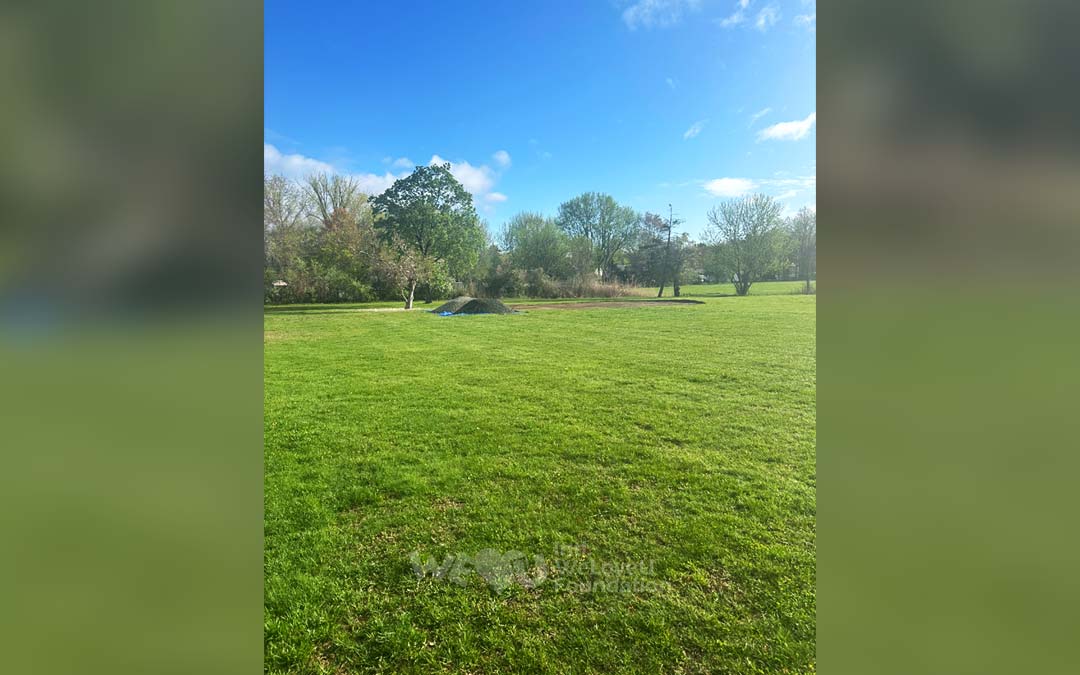
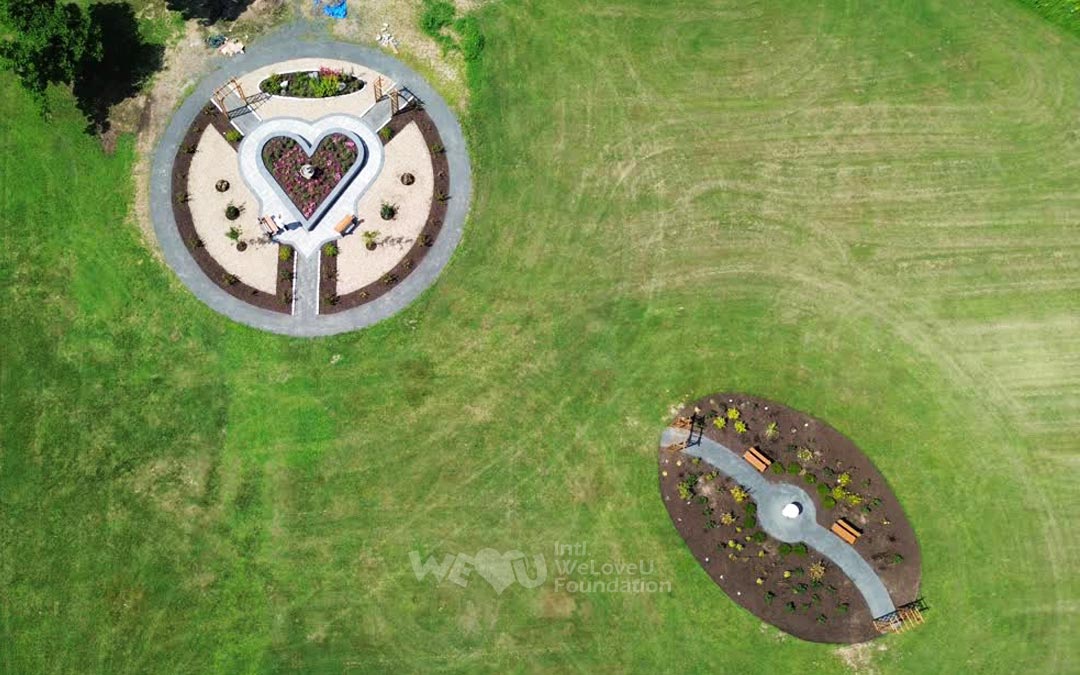
Pollinator Garden 1

Pollinator Garden 2
Pollinator Garden Opening Ceremony
On July 20, the opening ceremony for the Pollinator Gardens was held. Connecticut State Representative, Mayor of East Hartford, the HDR staff, and WeLoveU members gathered to celebrate the success of a project more than a year in the making.
Mayor Connor Martin remarked: “At a time when creating habitats for pollinators is so important, the Pollinator Gardens will highlight how vital the roles of bees and butterflies are.” He added, “I’m delighted to see such a beautiful garden in our city, and I sincerely thank everyone who worked together to make them possible.”
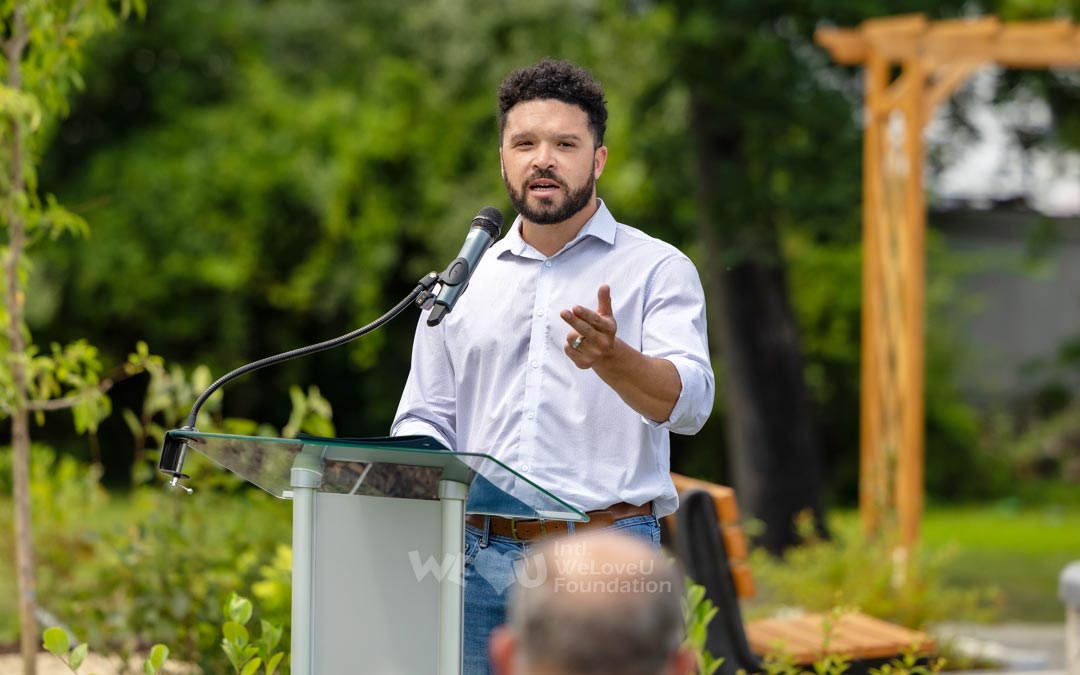
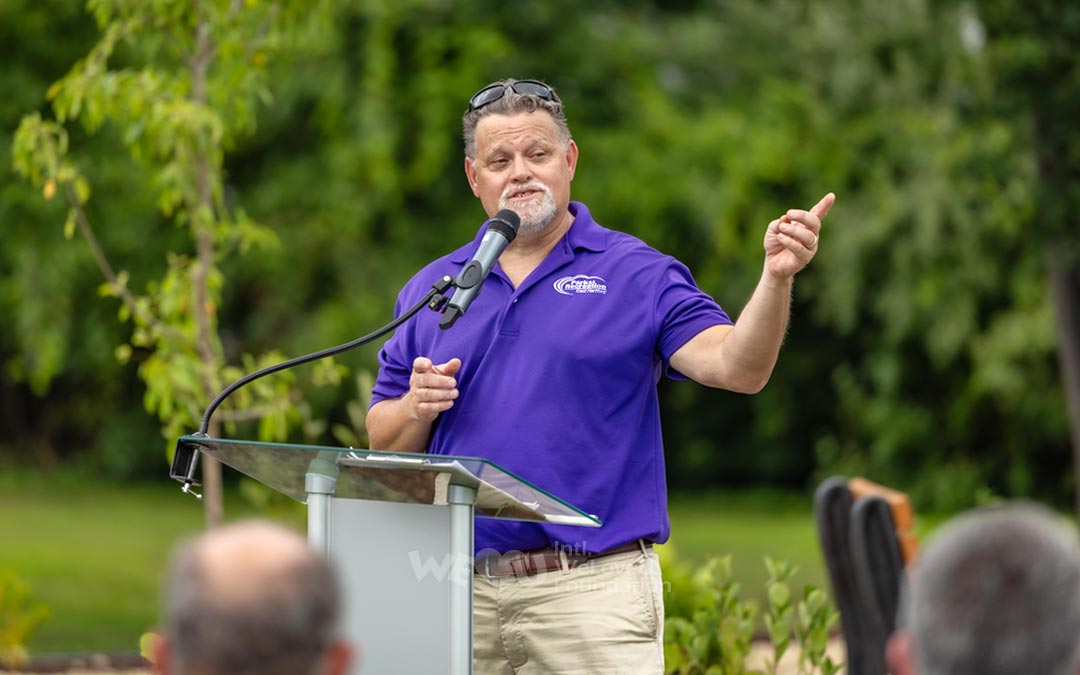
State Representative Patrick Biggins commented: “With more pollinators, ecosystems are preserved, and crops as well as native plants thrive. I believe the Pollinator Gardens will also become a place where local residents can celebrate special occasions such as graduations and birthdays. Their positive impact on the community will be significant.”
State Representative Henry Genga also praised the volunteers, saying: “The Pollinator Gardens are a jewel of East Hartford and a great source of pride.”
A Look at the Opening Ceremony

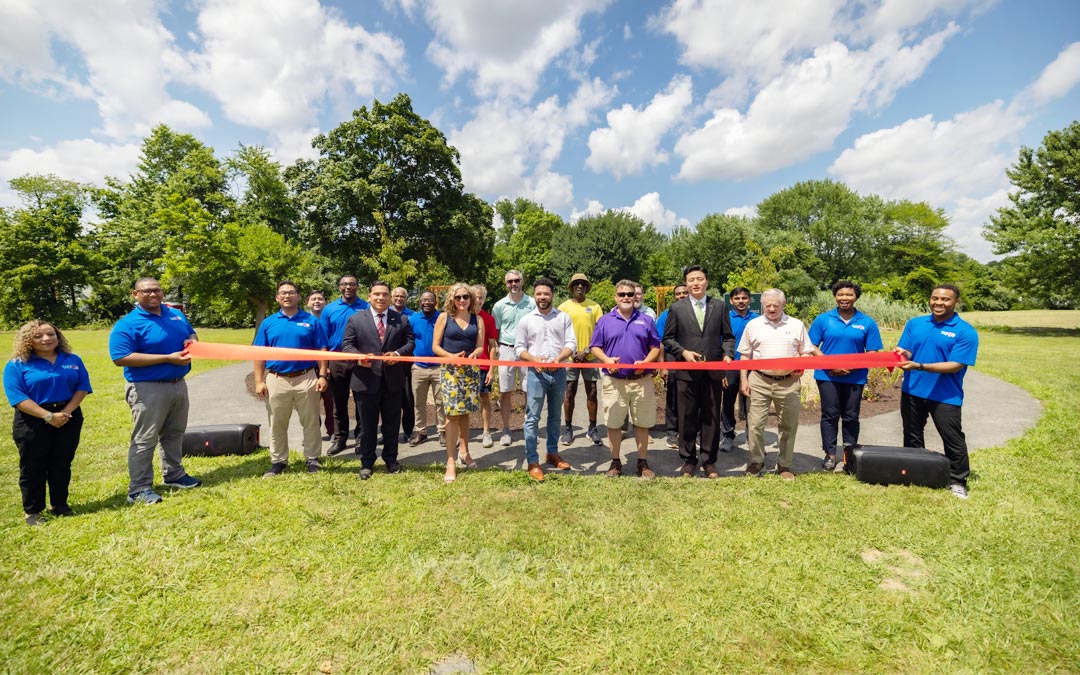
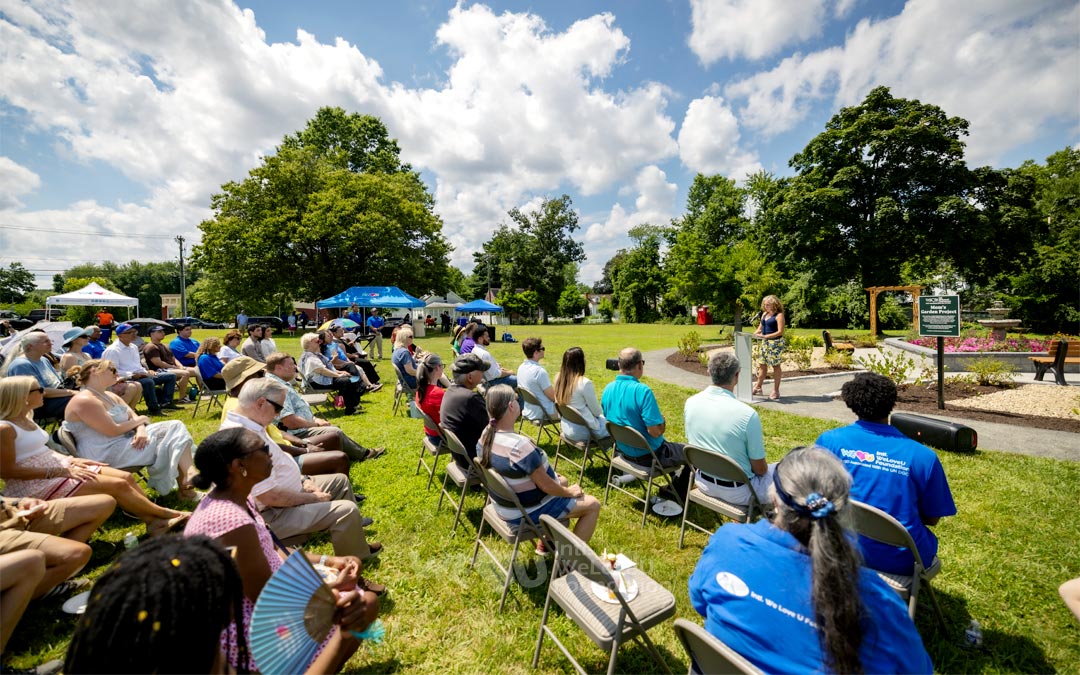

Members were thrilled to see the gardens they had worked so hard to complete finally open. They also expressed hope that the gardens would become outdoor classrooms for citizens—a community space
where environmental education and hands-on practice come together.

Urban Ecosystem Restoration
By providing habitats for diverse species, the gardens help restore and strengthen urban ecosystems.
Climate Change Response
Through carbon absorption and fine dust reduction, the gardens improve air quality and help mitigate the urban heat island effect.

Mental Health Benefits
Serving as tranquil green spaces, the gardens ease stress and promote emotional well-being among residents.

Environmental Education
The gardens offer children and youth opportunities to learn firsthand about the importance of protecting nature.
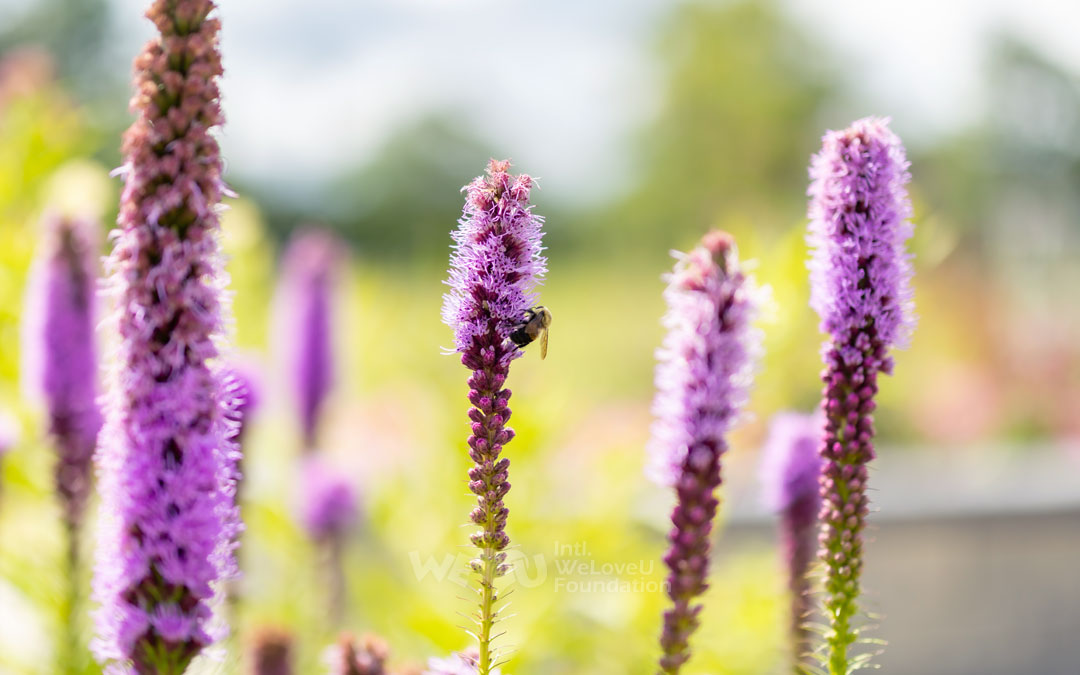
Bees have already begun visiting the newly opened gardens. As they collect nectar and pollinate plants, they will play a vital role in restoring the urban ecosystem.
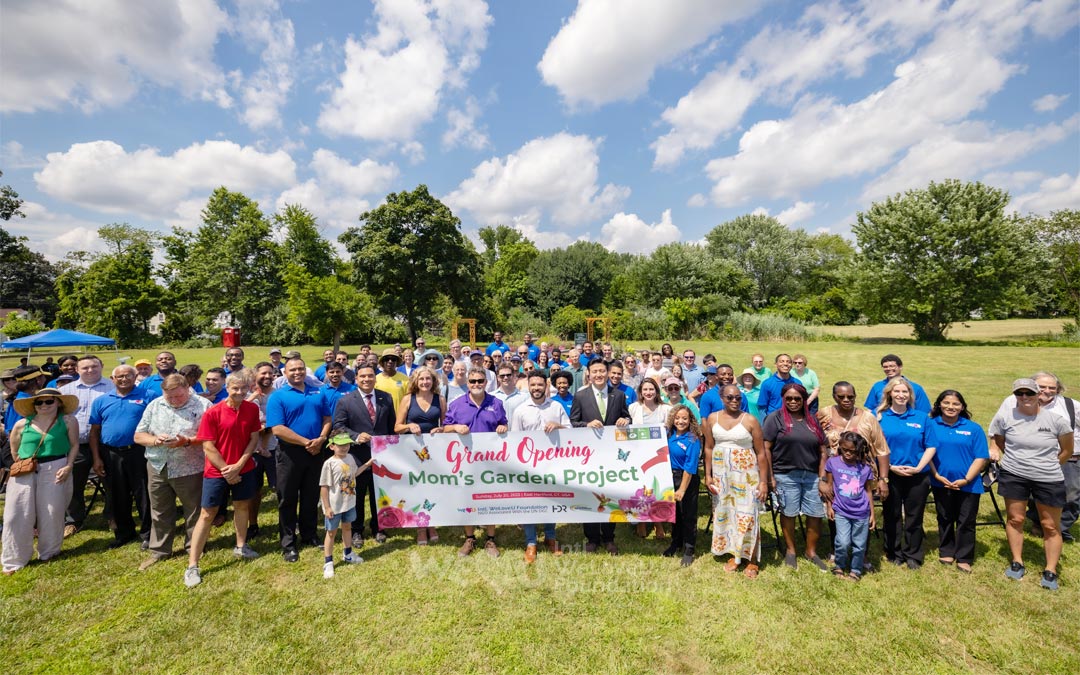
Through the Moms Garden Project, WeLoveU is committed to creating spaces where humanity and nature can coexist in harmony.
We hope that wherever flowers bloom, bees and butterflies will continue to gather—so that this beautiful part of everyday life may endure for generations to come.


